
Dietary Triggers and Habits That Worsen GERD

The relationship between dietary habits and the symptoms and severity of gastroesophageal reflux disease is a clinical subject of both considerable practical importance and surprising scientific complexity, reflecting the fact that food and beverage choices can influence gastroesophageal reflux through multiple distinct physiological mechanisms that operate independently or in combination to increase acid exposure of […]

Read More

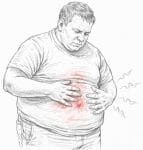
Obesity and Abdominal Pressure as GERD Drivers

The relationship between obesity and gastroesophageal reflux disease is one of the most robustly established associations in gastrointestinal epidemiology, supported by consistent findings from population-based cross-sectional surveys, prospective cohort studies, and interventional trials demonstrating that excess body weight, particularly the central adiposity pattern characteristic of abdominal obesity, powerfully increases the risk of developing GERD, worsens […]

Read More

Weak Lower Esophageal Sphincter and GERD

Gastroesophageal reflux disease, universally known by the acronym GERD, is one of the most prevalent gastrointestinal disorders affecting adults in developed countries, with population-based surveys consistently documenting weekly heartburn or regurgitation in ten to twenty percent of Western adults and daily symptoms in a substantial proportion of those affected. The condition arises when the normal […]

Read More