
Chronic Stress, Trauma and Depression

The relationship between chronic stress, traumatic experience, and major depressive disorder is one of the most extensively documented and clinically important associations in all of psychiatry, reflecting the fundamental role of adverse environmental experience in shaping the neurobiological systems that regulate mood, emotion, stress reactivity, and psychological resilience. Stressful and traumatic life experiences are among […]

Read More

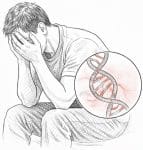
Genetic Predisposition to Depression

The genetic architecture of major depressive disorder is one of the most extensively studied and most intensively debated topics in psychiatric genetics, reflecting both the clinical importance of understanding the hereditary contributions to a condition affecting hundreds of millions of people worldwide and the extraordinary scientific challenges involved in dissecting the genetic basis of a […]

Read More

Neurochemical Imbalance and Depression Explained

The neurochemical basis of major depressive disorder has been a subject of scientific investigation for more than six decades, generating an evolving and increasingly sophisticated understanding of the brain chemistry changes that accompany depression and that may contribute causally to its development and perpetuation. The popular conception of depression as a simple deficiency of serotonin […]

Read More