
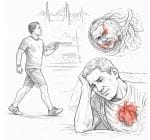
The chronic complications of diabetes mellitus represent the principal source of the morbidity, mortality, functional limitation, reduced quality of life, and healthcare costs attributable to the disease, collectively generating a burden of organ damage that makes diabetes one of the most devastating chronic conditions encountered in clinical medicine. These complications arise from the sustained exposure of the vasculature, kidneys, retina, peripheral nerves, and other organs to the biochemical consequences of chronic hyperglycemia, with the duration and severity of glycemic exposure serving as the primary determinants of complication risk across all forms of diabetes mellitus. The temporal evolution of diabetic complications follows a characteristic pattern in which a latent period of sub-clinical organ damage lasting years to decades is followed by the emergence of clinically apparent dysfunction that, if inadequately managed, progresses to end-stage organ failure producing the blindness, kidney failure, and limb loss that represent the most devastating outcomes of poorly controlled diabetes.
The mechanistic understanding of how hyperglycemia produces vascular and organ damage has advanced substantially over the past three decades, with multiple interconnected pathological pathways identified that collectively explain the diverse clinical manifestations of diabetic complications. The polyol pathway, in which excess intracellular glucose is reduced to sorbitol by aldose reductase and then oxidized to fructose, depletes NADPH cofactors required for the regeneration of glutathione and the function of nitric oxide synthase, promoting oxidative stress and endothelial dysfunction. The advanced glycation end product pathway, in which glucose non-enzymatically glycates proteins and lipids to form stable covalent adducts that cross-link with collagen and other structural proteins, alters the mechanical and functional properties of the vascular wall, activates receptors for advanced glycation end products on inflammatory and endothelial cells, and produces chronic inflammation that drives vascular injury. Protein kinase C activation, driven by diacylglycerol accumulation from increased glucose flux through the glycolytic pathway, dysregulates multiple aspects of vascular endothelial function including permeability, angiogenesis, and inflammatory cell adhesion.
The clinical classification of diabetic complications into microvascular and macrovascular categories reflects the distinct pathological processes and clinical manifestations associated with damage to the small versus large blood vessels, though both categories share the fundamental driver of chronic hyperglycemia and the two forms of vascular injury frequently coexist and interact in individual patients. Microvascular complications encompassing diabetic retinopathy, diabetic nephropathy, and diabetic neuropathy arise predominantly from the specific vulnerability of the capillaries and small arterioles of the retina, kidney glomerulus, and peripheral nerves to hyperglycemia-induced damage through the biochemical mechanisms described above. Macrovascular complications encompassing coronary artery disease, cerebrovascular disease, and peripheral arterial disease arise from the accelerated development of atherosclerosis in the large and medium-sized arteries driven by the combination of hyperglycemia, dyslipidemia, hypertension, oxidative stress, and chronic inflammation that characterize the metabolic environment of type 2 diabetes.
Diabetic Retinopathy
Diabetic retinopathy is the most common cause of new cases of blindness in working-age adults in developed countries and represents one of the most feared and functionally devastating complications of diabetes mellitus. The condition affects virtually all patients with type 1 diabetes and the majority of patients with type 2 diabetes over the course of twenty-five years of disease, with the prevalence and severity of retinopathy strongly correlated with duration of diabetes, degree of glycemic control, blood pressure levels, and the presence of nephropathy. The retinal microvasculature is uniquely vulnerable to hyperglycemia-induced damage because retinal pericytes, which provide structural support for retinal capillaries and regulate capillary tone through their contractile properties, are particularly susceptible to the toxic effects of intracellular sorbitol accumulation through the polyol pathway and are selectively lost in early diabetic retinopathy, producing the pericyte ghosts visible on trypsin digest preparations of diabetic retinas that are the earliest pathological hallmark of the condition.
The clinical staging of diabetic retinopathy from non-proliferative to proliferative disease reflects the progression of retinal vascular pathology from early changes of increased vascular permeability, capillary microaneurysm formation, and retinal hemorrhage to the advanced ischemic changes of extensive capillary non-perfusion that stimulate pathological retinal neovascularization through hypoxia-driven vascular endothelial growth factor upregulation. Non-proliferative diabetic retinopathy is characterized by microaneurysms, dot and blot hemorrhages, hard exudates from lipid and protein leakage through damaged capillary walls, and soft exudates representing nerve fiber layer infarctions, which are visible on fundoscopic examination and serve as markers of the degree of retinal ischemia and vascular permeability impairment. Proliferative diabetic retinopathy, in which new blood vessels grow on the retinal surface and into the vitreous in response to ischemia-driven angiogenic signals, carries the highest risk of catastrophic visual loss through vitreous hemorrhage from rupture of the fragile new vessels and tractional retinal detachment from fibrovascular membrane contraction.
Diabetic macular edema, the accumulation of fluid in the macula from breakdown of the inner blood-retinal barrier at the level of retinal capillary endothelial cells, is the most common cause of visual impairment in diabetes and can occur at any stage of retinopathy, including in the absence of proliferative changes. The macula, which is responsible for central and high-acuity vision required for reading, driving, and face recognition, is exquisitely sensitive to the thickening and distortion produced by macular edema, and even modest degrees of macular involvement can produce clinically significant visual impairment that substantially impacts daily functioning and quality of life. Anti-vascular endothelial growth factor agents including ranibizumab, bevacizumab, and aflibercept delivered by intravitreal injection have become the primary treatment for center-involving diabetic macular edema, with randomized controlled trials demonstrating superior visual acuity outcomes compared to laser photocoagulation that was the previous standard of care.
Diabetic Nephropathy
Diabetic nephropathy is the leading cause of end-stage renal disease in most developed countries, accounting for approximately forty to fifty percent of all new cases of kidney failure requiring dialysis or transplantation and imposing an enormous burden of morbidity, mortality, and healthcare resource consumption on the populations affected. The development of diabetic nephropathy follows a characteristic progression from early glomerular hyperfiltration and microalbuminuria through progressive proteinuria and declining glomerular filtration rate to end-stage renal disease, with the rate of progression varying substantially between individuals based on glycemic control, blood pressure management, genetic susceptibility, and the effectiveness of nephroprotective interventions.
The pathological changes of diabetic nephropathy affect multiple compartments of the kidney simultaneously. The glomerulus shows mesangial expansion from increased deposition of extracellular matrix proteins driven by transforming growth factor beta signaling under hyperglycemic conditions, glomerular basement membrane thickening from the accumulation of type IV collagen and laminin, and in advanced disease the formation of Kimmelstiel-Wilson nodules, pathognomonic of diabetic nephropathy, which are rounded deposits of laminated matrix material in the peripheral mesangium. The loss of glomerular podocytes, the specialized epithelial cells that maintain the integrity of the filtration barrier through their interdigitating foot processes and the slit diaphragm between them, is increasingly recognized as a critical early event in diabetic nephropathy pathogenesis, with podocyte depletion correlating with the degree of proteinuria and the rate of glomerular filtration rate decline.
The renin-angiotensin-aldosterone system plays a central pathophysiological role in diabetic nephropathy through its effects on glomerular hemodynamics and through direct profibrotic actions of angiotensin II on mesangial cells and tubular epithelial cells. Angiotensin II preferentially constricts the efferent arteriole of the glomerulus, increasing intraglomerular hydraulic pressure in a manner that accelerates glomerular basement membrane damage and albumin filtration, while also directly stimulating mesangial cell contraction and proliferation, transforming growth factor beta production, and inflammatory cytokine generation in renal parenchymal cells. The pharmacological inhibition of the renin-angiotensin-aldosterone system with angiotensin-converting enzyme inhibitors or angiotensin receptor blockers reduces intraglomerular pressure, proteinuria, and the rate of renal function decline in diabetic nephropathy, with randomized controlled trials demonstrating forty to fifty percent reductions in the risk of doubling of serum creatinine and progression to end-stage renal disease compared to placebo, establishing this pharmacological strategy as the standard of care for nephroprotection in diabetes.
Diabetic Neuropathy
Diabetic neuropathy encompasses a spectrum of neurological complications affecting the peripheral somatic and autonomic nervous systems that collectively represent the most common chronic complication of diabetes mellitus, present to some degree in approximately fifty percent of patients with long-standing diabetes. The most prevalent form is distal symmetric polyneuropathy, a length-dependent axonopathy preferentially affecting the longest nerve fibers and producing the characteristic stocking-and-glove distribution of sensory loss that progresses from the toes proximally to the legs and then to the fingertips and hands as the disease advances. The sensory symptoms of distal symmetric polyneuropathy include burning, tingling, paresthesias, and in a significant proportion of patients severe spontaneous neuropathic pain that can be profoundly disabling and that represents one of the most difficult chronic pain management challenges in clinical medicine.
The loss of protective sensation that accompanies advanced distal symmetric polyneuropathy, in which the ability to perceive pain, temperature, and pressure in the feet is severely impaired or absent, creates the conditions for the neuropathic foot ulceration that is the most clinically consequential consequence of diabetic peripheral neuropathy and the primary driver of the lower extremity amputations for which diabetes is responsible. When patients cannot perceive the pain of a minor foot injury, an ill-fitting shoe, or a foreign body in the shoe, repetitive mechanical trauma to insensate skin produces the ulceration and tissue necrosis that, in the presence of the peripheral arterial disease and impaired wound healing that coexist with neuropathy in many diabetic patients, can progress to deep tissue infection, osteomyelitis, and ultimately limb-threatening gangrene requiring amputation. Approximately fifteen percent of all diabetes patients will develop a foot ulcer during their lifetime, and diabetes is responsible for more than fifty percent of all non-traumatic lower extremity amputations worldwide.
Diabetic autonomic neuropathy, reflecting damage to the autonomic nerve fibers that regulate cardiovascular, gastrointestinal, genitourinary, and thermoregulatory functions, produces a range of debilitating clinical manifestations that substantially impair quality of life and in some cases pose direct life-threatening risks. Cardiovascular autonomic neuropathy, characterized by resting tachycardia from impaired parasympathetic cardiac innervation, reduced heart rate variability, and orthostatic hypotension from impaired sympathetic vasoconstriction, is associated with a two to three fold increase in cardiovascular mortality and with the increased risk of silent myocardial ischemia that occurs when cardiac pain perception is impaired by autonomic denervation of the heart. Gastroparesis, the delayed gastric emptying produced by vagal denervation of the stomach, produces the symptoms of nausea, vomiting, early satiety, and postprandial fullness that impair nutrition and create extreme challenges for glycemic management by producing unpredictable and erratic patterns of glucose absorption following meals.
Cardiovascular Disease and Macrovascular Complications
Cardiovascular disease is the leading cause of death in type 2 diabetes mellitus, with patients with diabetes experiencing two to four fold higher rates of coronary artery disease, myocardial infarction, heart failure, and stroke compared to age and sex matched individuals without diabetes. The accelerated atherosclerosis that drives this macrovascular complication risk reflects the combined effects of multiple metabolic abnormalities that coexist in type 2 diabetes, including the direct pro-atherogenic effects of hyperglycemia on endothelial function and vascular smooth muscle biology, the dyslipidemia characterized by elevated triglycerides, low HDL cholesterol, and small dense LDL particles that is a near-universal feature of type 2 diabetes, the hypertension that affects approximately seventy percent of type 2 diabetes patients, the procoagulant state from impaired fibrinolysis and increased platelet aggregability, and the low-grade systemic inflammation driven by adipose tissue dysfunction and glucose toxicity.
Heart failure has emerged as the most common and clinically significant cardiovascular complication of type 2 diabetes, with studies documenting that diabetes approximately doubles the risk of both heart failure with reduced ejection fraction and heart failure with preserved ejection fraction compared to non-diabetic controls, and that patients with both diabetes and heart failure have substantially worse prognosis than those with either condition alone. The diabetic cardiomyopathy, a distinct myocardial disease that occurs independent of coronary artery disease and hypertension in diabetes patients, produces myocardial stiffness and diastolic dysfunction through the accumulation of advanced glycation end products in the myocardial extracellular matrix, lipotoxicity from intramyocardial lipid accumulation, mitochondrial dysfunction, and microvascular disease of the coronary microvasculature. The recognition of sodium-glucose cotransporter 2 inhibitors as cardioprotective agents with specific heart failure prevention and treatment benefits, reducing hospitalization for heart failure by approximately thirty percent in cardiovascular outcome trials, has established their use as a treatment priority for patients with diabetes and established or high-risk heart failure.
The comprehensive management of macrovascular complication risk in diabetes requires simultaneous aggressive management of all modifiable cardiovascular risk factors alongside optimized glycemic control, recognizing that the cardiovascular risk of diabetes is determined by the combination of hyperglycemia and the multiple metabolic and hemodynamic abnormalities that accompany it rather than by glucose elevation alone. Antihypertensive therapy targeting blood pressure below 130 over 80 millimeters of mercury, statin therapy for LDL cholesterol reduction targeting values below 70 milligrams per deciliter in patients with established cardiovascular disease or high cardiovascular risk, antiplatelet therapy with aspirin for secondary prevention in patients with established atherosclerotic disease, and smoking cessation support collectively constitute the cardiovascular risk reduction strategy that complements glycemic management in determining the long-term macrovascular outcomes of patients with diabetes mellitus.