
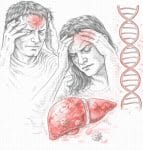
Migraine is one of the most prevalent and most disabling neurological disorders in the world, affecting approximately fifteen percent of the global adult population and ranking as the second leading cause of years lived with disability across all age groups in the Global Burden of Disease study. The condition is defined by recurrent episodes of moderate to severe headache, typically unilateral and pulsating in character, accompanied by nausea, vomiting, and heightened sensitivity to light and sound, and in approximately thirty percent of affected individuals by the distinctive neurological symptoms of aura that precede or accompany the headache phase. Despite its extraordinary prevalence and its profound impact on the quality of life, occupational productivity, and social participation of those it affects, migraine remains fundamentally misunderstood by much of the general public and even by a proportion of healthcare providers who underestimate its severity, underdiagnose it in clinical practice, and undertreat it with the evidence-based preventive and acute therapies that can meaningfully reduce its burden.
The strong hereditary component of migraine has been recognized by clinicians and patients for centuries, with the clinical observation that migraine runs in families appearing in medical literature dating back to antiquity and being familiar to anyone who has investigated the family histories of migraine patients. Modern epidemiological and genetic research has confirmed and quantified this familial clustering, establishing migraine as one of the most heritable common neurological disorders, with heritability estimates from twin studies consistently in the range of forty to sixty-five percent, meaning that genetic factors account for at least half and potentially up to two-thirds of the individual differences in migraine susceptibility in the population. This substantial heritable contribution to migraine risk provides compelling evidence that migraine is not simply a psychological response to stress or personal weakness, as it is sometimes portrayed in cultural discourse, but a genuine neurobiological disorder with a strong biological basis in the genetic architecture of the brain circuits that regulate pain processing, sensory thresholds, and the vascular and neuronal mechanisms of the migraine attack.
The scientific investigation of migraine genetics has followed two complementary approaches that have generated distinct but mutually illuminating insights into the genetic basis of the condition. The study of rare monogenic migraine syndromes, particularly familial hemiplegic migraine caused by single-gene mutations of large individual effect, has identified specific ion channels and transporters whose dysfunction produces migraine-like attacks and has illuminated the fundamental neurophysiological abnormalities underlying cortical spreading depression that is the pathophysiological basis of migraine aura. Genome-wide association studies of common migraine, which have identified dozens of genetic loci associated with migraine susceptibility through the analysis of hundreds of thousands of single nucleotide polymorphisms in tens of thousands of migraine patients and controls, have revealed the polygenic architecture of common migraine and implicated specific biological pathways in its pathogenesis that inform the rational development of targeted preventive therapies.
Monogenic Migraine Syndromes and Ion Channel Biology
Familial hemiplegic migraine is a rare autosomal dominant migraine variant characterized by motor aura with hemiplegia alongside the visual, sensory, and speech aura features of typical migraine with aura, providing the most genetically tractable entry point for investigating the molecular basis of migraine because its large-effect single-gene mutations can be identified through traditional linkage analysis in affected families. Three causative genes have been identified for familial hemiplegic migraine, each encoding a different ion channel or transporter that plays a critical role in the regulation of neuronal and glial excitability and synaptic transmission in the cerebral cortex, and each providing mechanistic insight into the neurophysiological dysfunction that underlies cortical spreading depression and the migraine attack.
CACNA1A, encoding the alpha-1A subunit of the P/Q-type voltage-gated calcium channel expressed predominantly in cerebellar Purkinje cells and cerebral cortical neurons, was the first familial hemiplegic migraine gene identified and accounts for the majority of FHM type 1 families. The gain-of-function mutations in CACNA1A that cause familial hemiplegic migraine increase the calcium permeability of the affected channel, enhancing presynaptic calcium influx and neurotransmitter release at cortical synapses in ways that lower the threshold for cortical spreading depression, the slowly propagating wave of neuronal and glial depolarization followed by sustained suppression that is the neurophysiological substrate of migraine aura. The same CACNA1A gene harbors different mutations causing spinocerebellar ataxia type 6 and episodic ataxia type 2, conditions that are distinct from familial hemiplegic migraine but share the common theme of abnormal neuronal excitability from impaired P/Q-type calcium channel function, illustrating the mechanistic spectrum that different types of CACNA1A mutations can produce depending on whether they produce gain or loss of channel function.
ATP1A2, encoding the alpha-2 subunit of the sodium-potassium ATPase pump expressed specifically in astrocytes in the adult brain where it maintains the potassium and glutamate homeostasis of the extracellular space that is essential for preventing the excessive neuronal excitability that triggers cortical spreading depression, is the causative gene for familial hemiplegic migraine type 2. The loss-of-function mutations in ATP1A2 that cause familial hemiplegic migraine type 2 reduce the capacity of perisynaptic astrocytes to clear potassium and glutamate from the synaptic cleft following neuronal activity, allowing extracellular potassium and glutamate to accumulate to concentrations that promote the neuronal hyperexcitability and eventual cortical spreading depression underlying the migraine attack. This astrocytic mechanism of familial hemiplegic migraine type 2 pathogenesis has highlighted the critical role of glial cells in regulating cortical excitability and migraine susceptibility, directing attention to the astrocyte as a potential therapeutic target in migraine prevention.
SCN1A, encoding the Nav1.1 voltage-gated sodium channel alpha subunit expressed in inhibitory GABAergic interneurons of the cerebral cortex, is the causative gene for familial hemiplegic migraine type 3, and the gain-of-function mutations responsible cause increased sodium channel activity that paradoxically reduces the firing capacity of the inhibitory interneurons that depend on precise sodium channel kinetics for their high-frequency firing, producing a net reduction in cortical inhibitory tone that promotes the hyperexcitability underlying cortical spreading depression. The overlap between SCN1A gain-of-function mutations causing familial hemiplegic migraine type 3 and the loss-of-function SCN1A mutations causing Dravet syndrome, where both types of functional consequences produce neurological disorders despite their opposite effects on channel activity, illustrates the exquisite sensitivity of cortical circuit function to the dosage and kinetics of sodium channel activity in both excitatory and inhibitory neural populations.
Genome-Wide Association Studies and Common Migraine Genetics
Genome-wide association studies of common migraine have transformed the understanding of the genetic architecture of this condition, revealing that its heritability is distributed across hundreds or thousands of common genetic variants each of individually modest effect, in the polygenic pattern characteristic of most common complex diseases. The largest genome-wide association studies of migraine, conducted by the International Headache Genetics Consortium with datasets encompassing over one hundred thousand migraine cases and controls, have identified more than forty genetic loci reaching genome-wide significance for association with migraine susceptibility, collectively explaining approximately fifteen to twenty percent of the total heritability of common migraine. The incomplete heritability explanation achieved by identified genome-wide significant loci reflects both the statistical limitations of genome-wide association studies in detecting the very large number of common variants with individually small effects that collectively contribute to polygenic trait heritability and the potential contributions of rare variants, copy number variants, and gene-environment interactions that are not captured by standard genome-wide association study designs.
The biological pathways implicated by the genes in genome-wide association study-identified loci for migraine provide compelling insights into the physiological mechanisms through which common genetic variants influence migraine susceptibility, and reveal a convergence on several key biological themes that align with and extend the mechanistic insights from the monogenic familial hemiplegic migraine research. Glutamatergic and GABAergic synaptic transmission, through loci containing genes including GRIA1 encoding the GluA1 AMPA receptor subunit, GABBR2 encoding the GABA-B receptor subunit, and multiple potassium channel genes, reflects the fundamental role of excitatory-inhibitory balance in determining cortical excitability and spreading depression threshold. Vascular regulation and endothelial function, through loci containing genes including PHACTR1 involved in endothelin signaling, NOTCH3 whose mutations cause CADASIL with migraine-like attacks, and multiple genes regulating vascular tone, reflects the vascular dimensions of migraine pathophysiology including the trigeminovascular system activation that generates migraine pain and the vascular abnormalities detectable during migraine attacks.
The pain processing and sensory pathway loci identified in migraine genome-wide association studies, including those containing TRPM8 encoding the cold-sensitive transient receptor potential channel that mediates the skin-cooling headache relief strategy used by many migraineurs, KCNK5 encoding a two-pore domain potassium channel regulating sensory neuron excitability, and multiple genes expressed in the trigeminal ganglion and dorsal root ganglia that contain the sensory neurons mediating headache pain, directly implicate the peripheral and central pain processing systems in migraine susceptibility. The identification of TRPM8 as a migraine susceptibility gene through multiple independent genome-wide association studies, replicated across diverse populations, and the therapeutic potential of TRPM8 antagonists as migraine preventives that are currently in clinical development, illustrates how genome-wide association study findings can directly inform the rational development of novel mechanism-targeted therapies for migraine.
Clinical Implications of Migraine Genetics
The genetic architecture of migraine has several important clinical implications that extend from the genetic counseling of patients and families through the precision medicine stratification of treatment selection to the identification of novel therapeutic targets. From a genetic counseling perspective, the understanding that common migraine follows a polygenic inheritance pattern rather than a simple Mendelian pattern means that the empirical recurrence risk estimates derived from family history data, rather than theoretical predictions from identified causative mutations, are the most appropriate and practically useful information for patients asking about the probability of their children developing migraine. The approximately three to four fold elevated risk of migraine in first-degree relatives of affected individuals compared to the general population provides a clinically meaningful risk estimate that can inform preventive lifestyle counseling and establish a framework of heightened clinical vigilance for early intervention if migraine symptoms develop in at-risk family members.
The pharmacogenomic implications of migraine genetics, while not yet sufficiently advanced to guide individual treatment selection in clinical practice for common migraine, are an active area of research that may eventually enable the identification of patients most likely to respond to specific preventive medications based on their genetic profiles. The identification of genetic variants in the calcitonin gene-related peptide pathway, whose central role in migraine pathophysiology has been validated by the clinical efficacy of CGRP-targeting therapies, and the CGRP receptor gene CALCRL as a migraine susceptibility locus in genome-wide association studies, provides genetic validation of the therapeutic rationale for the monoclonal antibodies targeting CGRP or its receptor that have transformed preventive migraine treatment in recent years. The emerging field of pharmacogenomics in migraine, examining how genetic variants in drug metabolism enzymes, drug targets, and pain processing pathways influence the efficacy and tolerability of acute and preventive migraine treatments, holds the promise of moving migraine management toward the precision medicine model that maximizes therapeutic benefit and minimizes adverse effects through genetic patient stratification.
The public health significance of migraine genetics research extends to the destigmatization of migraine as a genuine neurobiological disorder with a strong hereditary basis, countering the persistent cultural perception of migraine as a subjective complaint or psychological weakness. When patients understand that their migraine reflects inherited neurobiological characteristics of their brain’s excitability regulation, pain processing, and vascular reactivity, rather than a personal inadequacy or psychological vulnerability, they are better positioned to advocate for appropriate diagnosis and treatment, to adhere to preventive treatment regimens that require consistent long-term commitment, and to communicate effectively with employers, family members, and others whose understanding and support are important for managing a chronic neurological condition in the context of full participation in personal and professional life.